19 Small Living Room Ideas That Feel Expansive and Cozy
"How to decorate a compact living room so it feels open, airy, and inviting without sacrificing generous seating, smart storage, or distinct character."
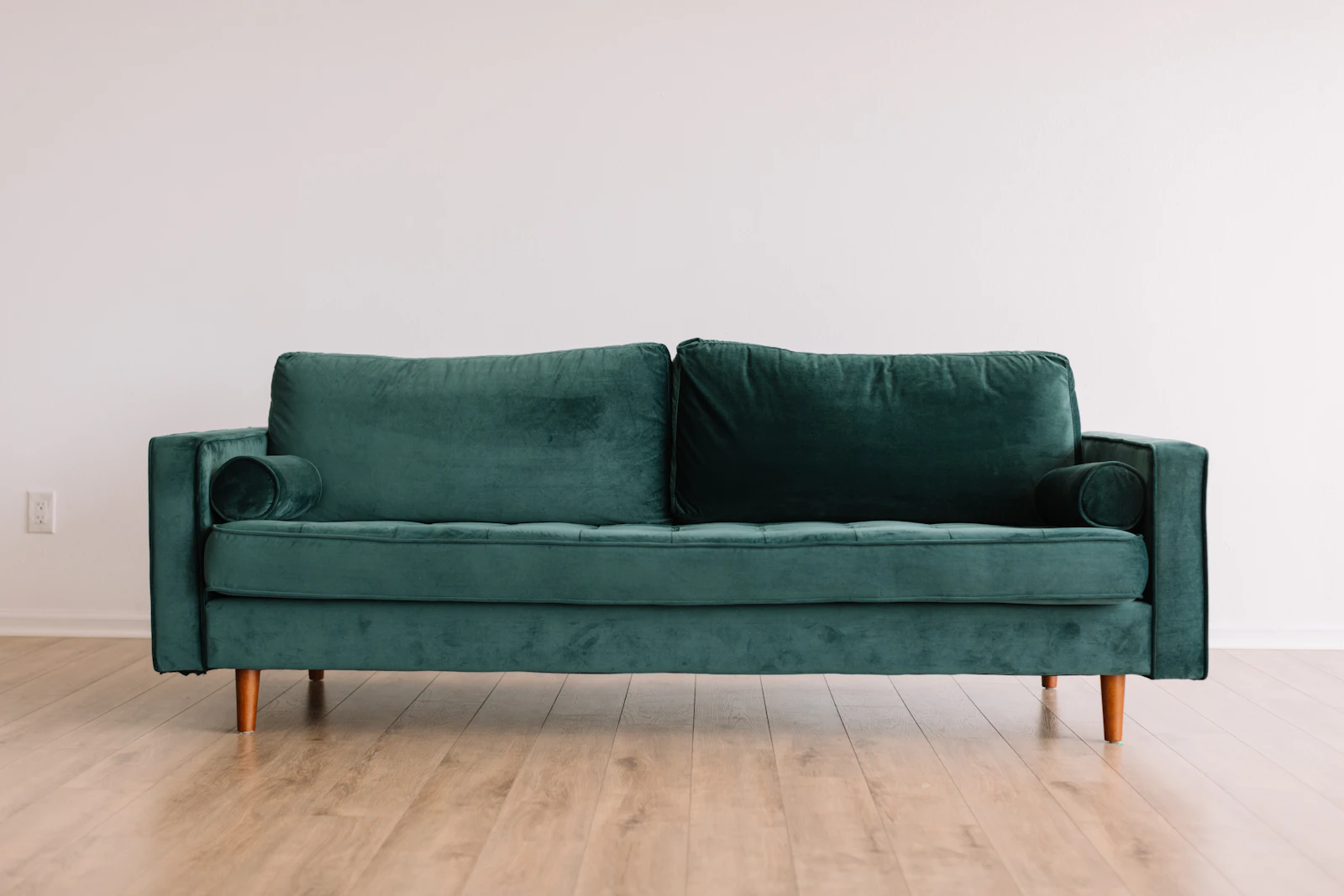
A small living room often gets treated with timidity: tiny furniture, stark white walls, and a fear of adding anything substantial. But in interior design, undersized furniture often accentuates the smallness of a space, leaving the room feeling like a dollhouse rather than a comfortable, lived-in sanctuary.
The goal is to create a living space that feels both generous and intimate. By understanding proportion, sightlines, and cohesive color palettes, you can craft a living room that welcomes long evenings with books, casual entertaining, and daily calm.
1. Scale Up the Rug
The most common misconception in small spaces is that a small room needs a small rug. A rug that floats only beneath the coffee table segments the floor, making the perimeter feel boxed in.
Instead, select a rug that extends almost to the walls, leaving an 8-to-12-inch border of exposed floor. Placing the front legs of your sofa and accent chairs directly on the rug unifies the seating zone into a single expansive statement.
2. Embrace Low-Profile, Tailored Seating
Look for sofas with clean track arms, tight backs, and exposed legs. Bulky rolled arms can steal up to 10 inches of room width on either side without providing any extra seating area. A tailored, bench-cushioned linen sofa keeps sightlines open and looks impeccably composed.
3. Hang Drapery High and Wide
Mount your curtain rod just two to three inches below the ceiling moulding—not directly above the window frame. Extend the rod 8 to 12 inches past the window casing on each side.
When the drapery is open, the fabric stacks against the wall rather than blocking the glass, making the windows appear taller and maximizing natural daylight.
“Always hang drapery ceiling-high. It draws the gaze upward and tricks the brain into registering the vertical volume of the room.”
4. Float an Armchair Opposite the Sofa
Rather than squeezing an L-shaped sectional that locks your traffic flow into a corner, pair a three-seater sofa with an airy accent chair with an open wood frame. This allows conversation to flow while keeping the entrance to the room unobstructed.
5. Use Wall-Mounted Lighting Instead of Floor Lamps
Floor lamps consume footprint with their bases. Hardwired or plug-in adjustable swing-arm sconces mounted above the sofa provide reading light while keeping the floor completely clear for walking paths.
Editorial Guidelines: Quick Practical Rules
- Opt for sofas with raised, exposed wooden or metal legs so light travels underneath the seating volume.
- Substitute a heavy central coffee table with a pair of lightweight nesting tables that can be separated when hosting.
What Often Goes Wrong (And How to Fix It)
- Choosing oversized, puffy rolled-arm sofas that eat up precious square footage without adding usable seating width.
- Filling every horizontal surface with knick-knacks; preserve open table space to avoid visual clutter.
Frequently Asked Questions
Should you push furniture against the walls in a small living room?
No. Pulling sofas and armchairs even three to four inches away from the wall creates 'breathing room' (negative space) that makes the room feel larger rather than cramped.
What size rug should you use in a small living room?
Avoid small 'postage stamp' rugs. Choose a generous rug (at least 8x10 or 6x9 depending on the room) where at least the front legs of all seating rest on the rug, which visually connects the seating arrangement.
The House Chapter Editorial
Interiors & Styling Editors • The House Chapter
Curated by our team of interior designers, home organizers, and editorial stylists dedicated to practical, beautiful living.
Rooms
A little inspiration for your next chapter at home.
Receive curated decorating dispatches, practical hallway storage blueprints, and quiet design moments delivered straight to your inbox.
No spam. No daily noise. Unsubscribe at any time with one click.
Related Chapters

How to Maximize Small Bedroom Storage Without Clutter
Expert bedroom storage solutions that keep clothing, linens, and accessories organized without turning your peaceful bedroom into a warehouse.
17 Rental-Friendly Apartment Entryway Ideas for Tight Spaces
Smart, non-damaging apartment entryway solutions that maximize compact rental hallways without risking your security deposit.
21 Small Entryway Ideas That Maximize Space and Style
Discover practical, beautiful small entryway ideas to turn cramped foyers, narrow drop zones, and awkward front doors into organized, welcoming thresholds.
18 Clever Entryway Storage Ideas for Clutter-Free Hallways
Master hallway organization with 18 high-functioning storage ideas designed to conceal shoes, organize outerwear, and maintain a serene front entry.